Kurpie
Kurpie (Polish pronunciation: is one of a number of ethnic regions in Poland, noted for its unique traditional customs, such as its own types of traditional costume, traditional dance and distinctive type of architecture and livelihoods. Kurpie is also the name of the people of this culture.
The Kurpie region is located in Poland on a lowland plain called the Mazovia Region, which was once covered over by two forests known as the (the Green Wilderness) and the (the White Wilderness).
The Green Wilderness is usually associated with the White Wilderness, and together the two forests are often referred to as the Kurpie Forest because the two forests were populated by inhabitants who, over the centuries of isolation, developed a unique culture of their own, called Kurpie.
Paper Cuttings
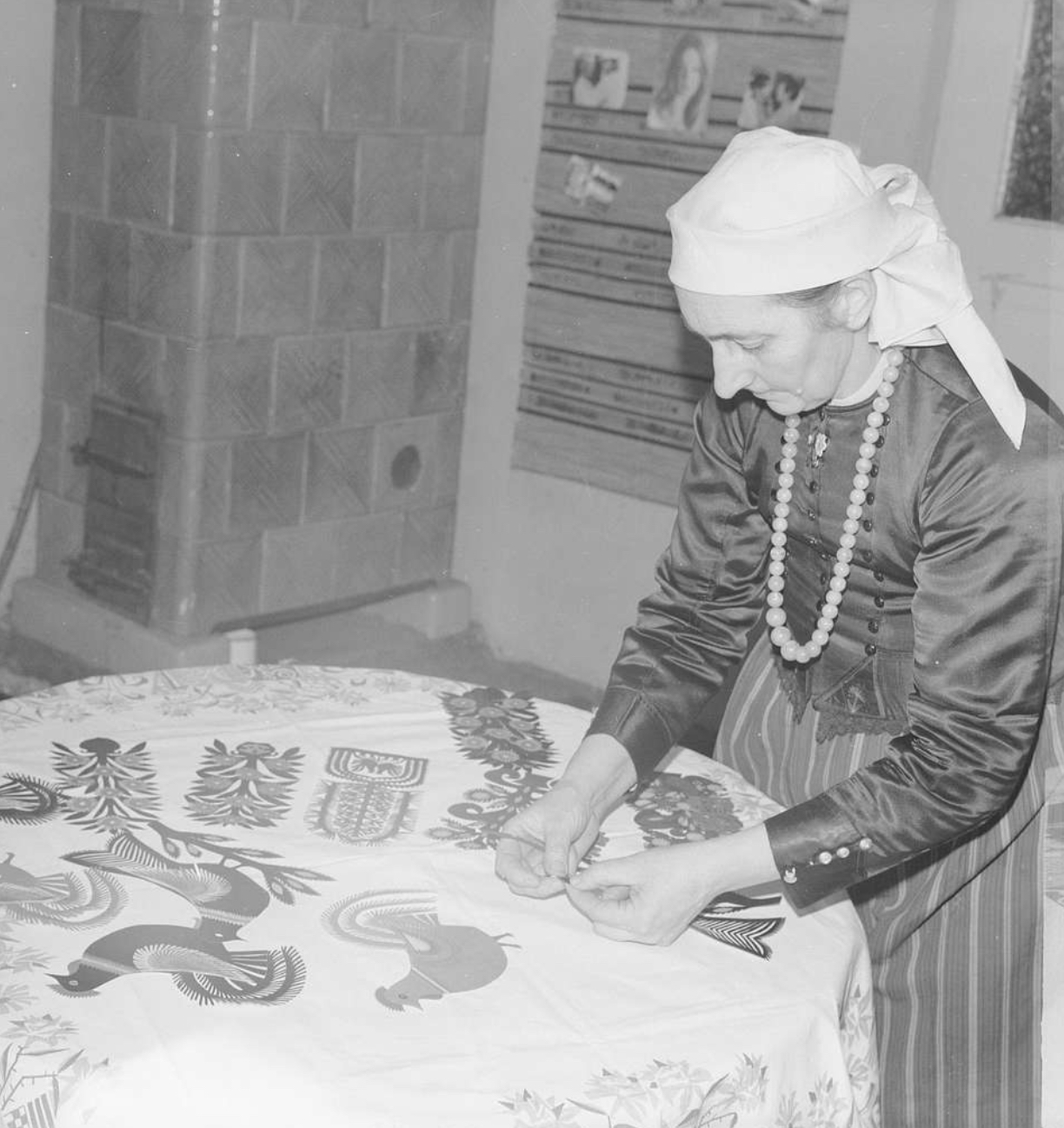
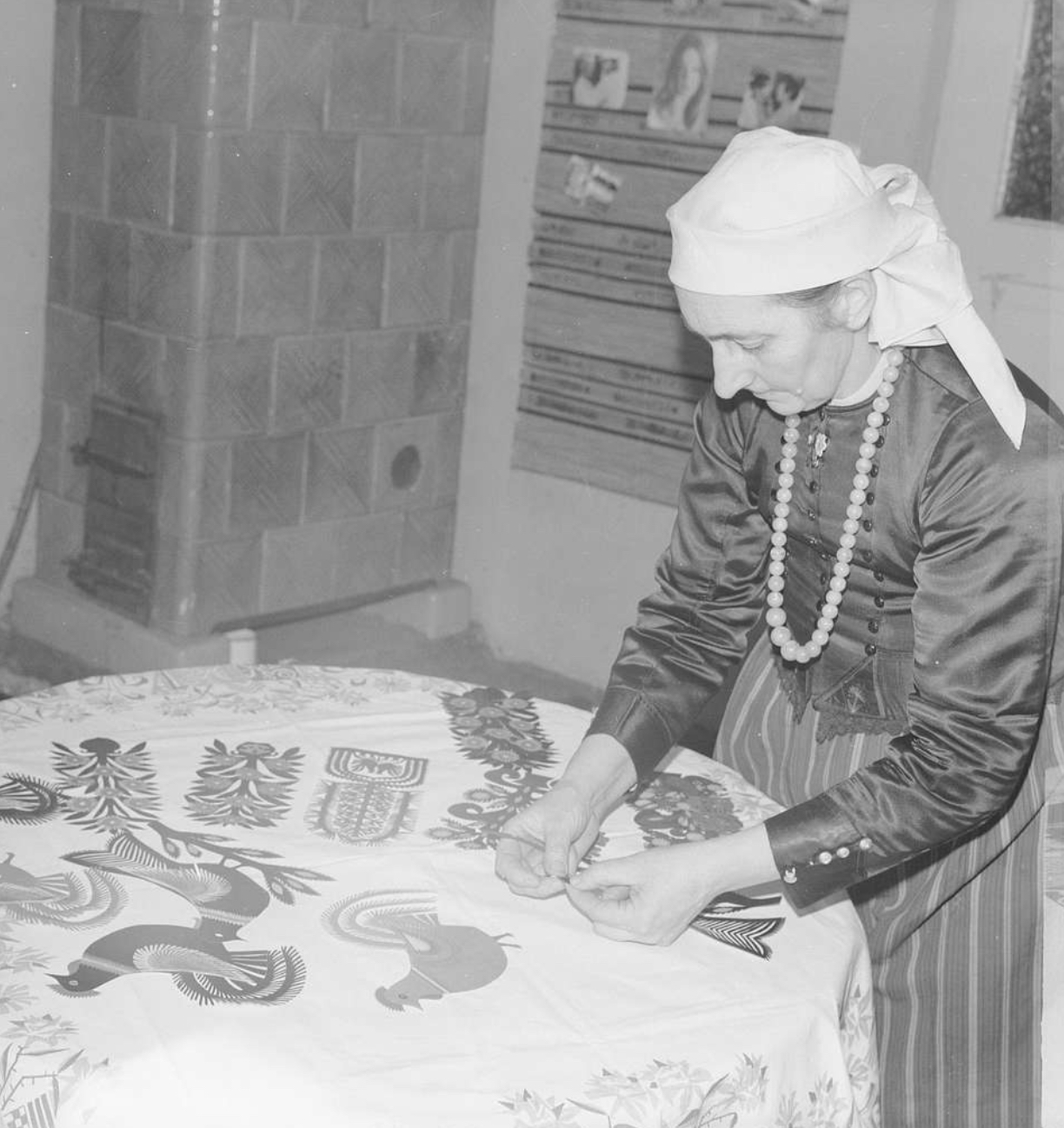
Kurpie paper cutouts are decorations cut out of paper with scissors, characteristic of the folk art of the Kurpie people of The Green Wilderness and The White Wilderness. In March 2020, the paper cutting tradition of The Green Wilderness was entered into the National List of Intangible Cultural Heritage as „Kurpie paper cutting from The Green Wilderness”.
The paper cutout first appeared in the homes of the Kurpie people in the 19th century as a decorative element. From the beginning of the 20th century, it began to gain popularity in urban circles, which particularly influenced the development of forms in The Green Wilderness. The art was revived after, partly thanks to the support of the Cepelia. Its collapse ended the period of institutional state support for this form of folk art, which was of particular importance for The White Wilderness, where paper cutting disappeared. In The Green Wilderness, the art form has survived uninterrupted thanks to the support of museums and the interest of audiences during regional events. Today, a revival of paper cutting can be observed in The White Wilderness.
Folk Customers
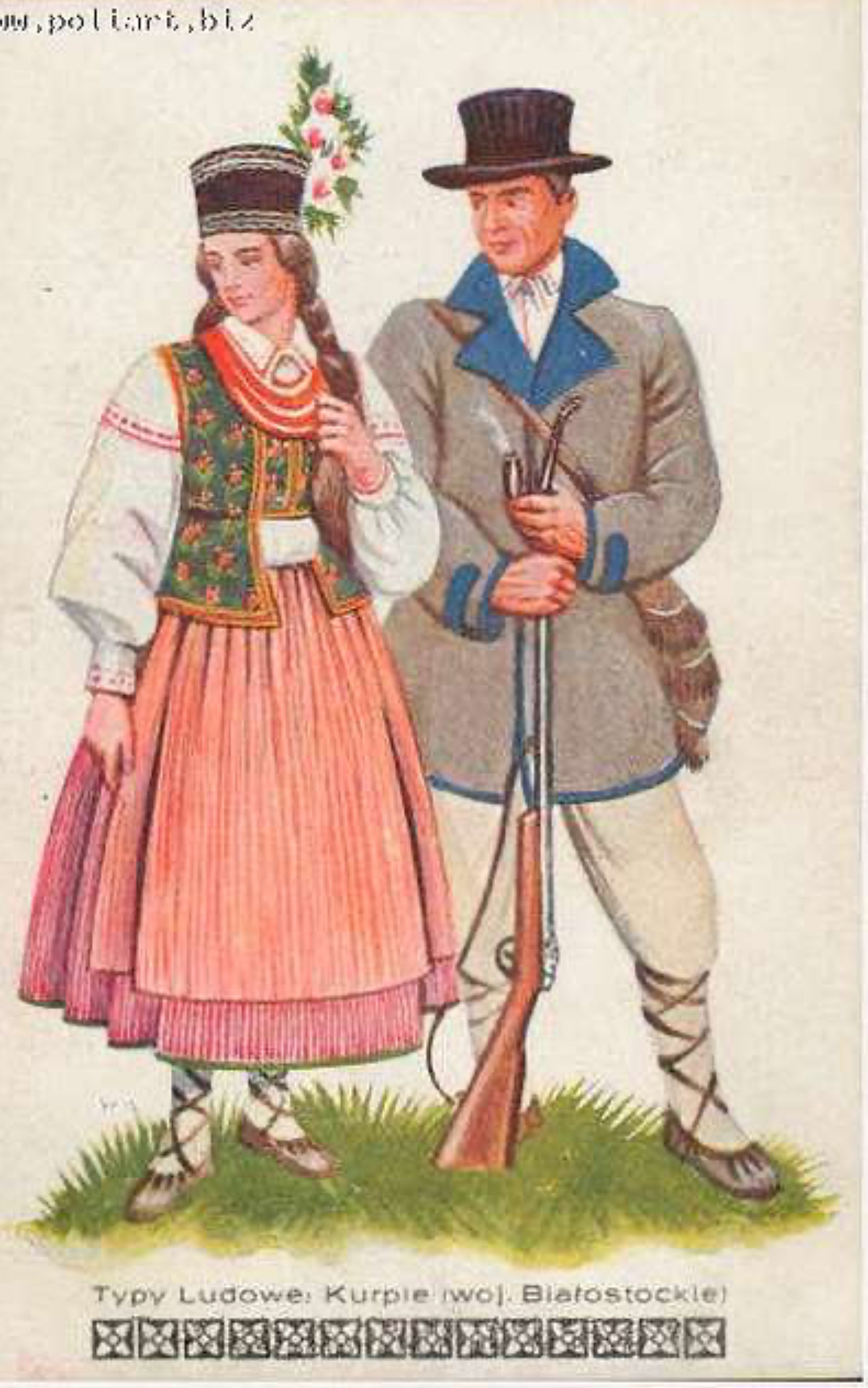
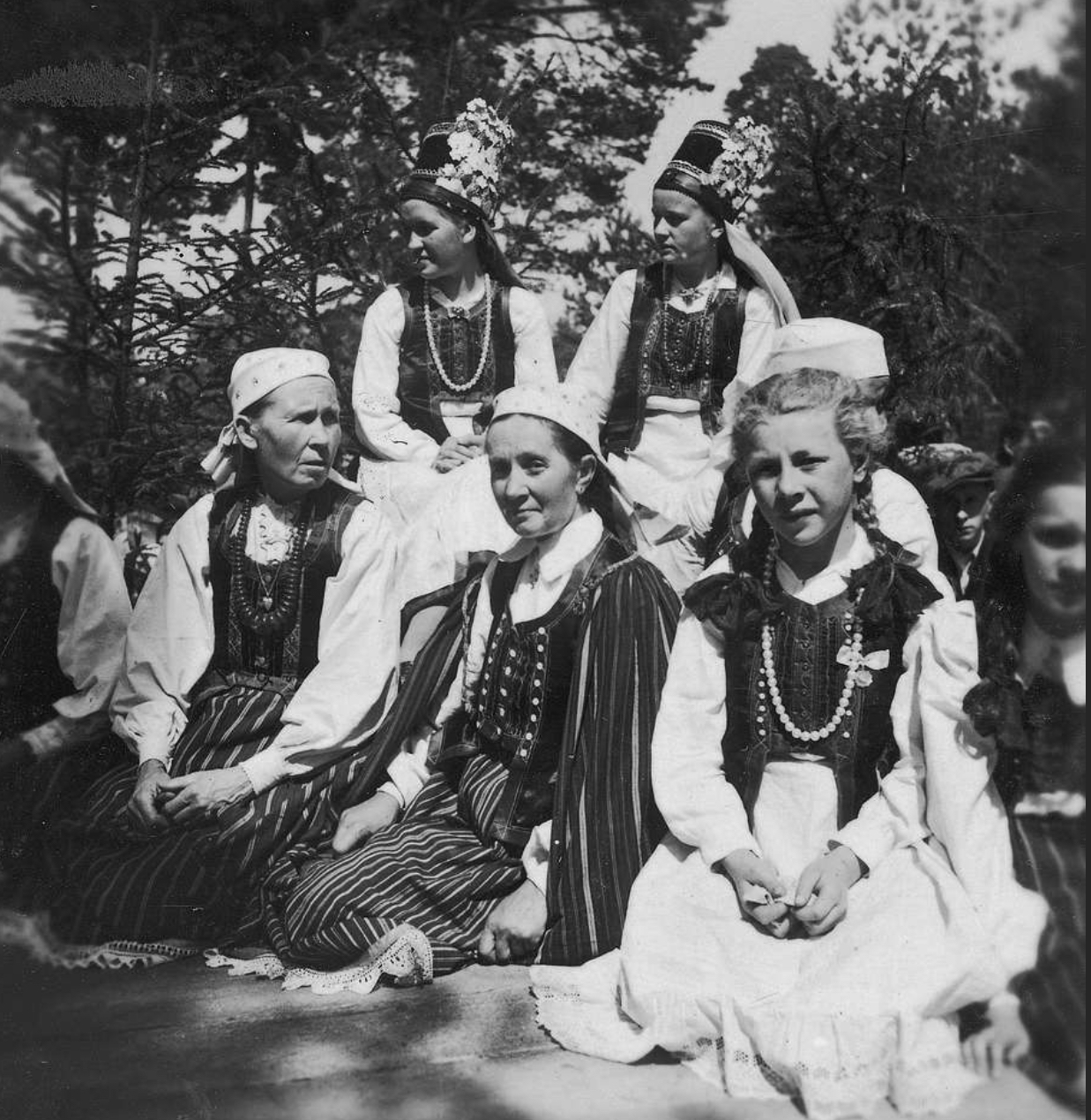
Kurpie traditional costumes (traditional folk dress are among the most distinct, colorful, and well-preserved examples of Polish folk attire. Originating from the Kurpie region—a unique cultural area located in the Green Forest and White Forest of Mazovia—these outfits reflect the region’s history, isolation, and deep connection to nature.
CELEBRATIONS
Palm Sunday in Łyse:
One of the most spectacular spring celebrations in Poland. The interiors of the local churches are filled with gigantic Easter palms, some reaching all the way to the ceiling. They are carefully made from thousands of colorful paper and crepe-paper flowers, handmade by local women during long winter evenings. The celebration includes a colorful procession and a large folk handicraft fair.
Kurpie Wedding in Kadzidło:
An annual folklore event held every June at the local open-air museum. It is a full reconstruction of 19th-century Kurpie wedding traditions, including matchmaking, the ceremonial unbraiding of the bride’s hair, and lively dancing. Visitors become part of the wedding celebration, dancing together with performers to traditional fast-paced dances such as powolniak and olender.
Corpus Christi in Myszyniec:
A unique religious procession that has represented local identity for centuries. On this day, the streets are filled with people wearing colorful, striped Kurpie folk costumes. Entire families across several generations take part in the procession, while the route is decorated with fragrant sweet flag leaves and traditional Kurpie paper cut-outs.
Kurpie Honey Harvest Festival in Wydmusy (near Myszyniec): The largest festival in the region, held at the end of summer. It celebrates the old traditions of beekeeping and collecting honey from wild forest bees. The festival, held at the local amphitheater, features demonstrations of traditional crafts, the smoke of traditional bee smokers, and a rich selection of regional foods. Visitors can taste forest honey, traditional pepper cookies called fafernuchy, and kozicowe — a traditional low-alcohol juniper beer.